
Learn the basics of living with Waldenstrom macroglobulinemia from a WM caregiver.
Living with Waldenstrom macroglobulinemia can feel overwhelming at first. This rare, slow-growing blood cancer requires ongoing monitoring, treatment decisions, and emotional adjustment — not only for the person diagnosed, but also for their loved ones. With the right information, mindset, and medical support, it’s entirely possible to live well and maintain a fulfilling, purpose-driven life.
This guide brings together practical advice, medical insights, and caregiver strategies to help you or your loved one navigate the journey with confidence.
NOTE: I am not a medical doctor or a nurse. I’m a WM caregiver and wife, doing my best to keep my DH well for as long as possible, tracking his appointments, and driving him to infusion appointments. If you need personalized medical advice, check with your oncologist or hematologist.
What Is Waldenstrom Macroglobulinemia?
Waldenstrom macroglobulinemia (WM) is a rare type of non-Hodgkin lymphoma that affects certain white blood cells known as B-lymphocytes. These cells produce an abnormal protein called IgM, which thickens the blood and interferes with healthy immune and circulatory function.
The disease is named after Dr. Jan Waldenström, who first described it in 1944. While WM has no known cure, many people live for years — even decades — managing it successfully through personalized treatment and lifestyle adaptations.
Common symptoms include:
-
Fatigue or weakness
-
Dizziness or headaches from blood thickening
-
Tingling in hands or feet (neuropathy)
-
Enlarged lymph nodes or spleen
-
Recurrent infections
Because WM progresses slowly, many individuals experience long periods of watchful waiting before treatment is necessary.
Treatment Options for Those Living with Waldenstrom Macroglobulinemia
Each person’s Waldenstrom macroglobulinemia treatment plan is unique. Your hematologist will consider age, overall health, symptoms, and IgM protein levels before recommending an approach.
1. Watchful Waiting (Active Monitoring)
For those with mild or no symptoms, doctors may delay treatment until necessary. Regular bloodwork and exams track disease progression. This can be emotionally challenging — but it avoids overtreatment and unnecessary side effects.
2. Targeted Therapy
Medications such as ibrutinib (Imbruvica), zanubrutinib (Brukinsa), or acalabrutinib (Calquence) inhibit specific pathways that allow cancerous B cells to survive.
These oral agents often replace chemotherapy as first-line therapy and can dramatically improve quality of life.
3. Chemotherapy and Immunotherapy
Traditional chemotherapy drugs (such as bendamustine or cyclophosphamide) may be combined with monoclonal antibodies (such as rituximab) to destroy abnormal cells and boost the immune response.
4. Plasmapheresis
If the blood becomes too thick due to IgM buildup, this procedure safely removes excess protein and relieves symptoms such as vision changes or headaches. NOTE: My husband received plasmapheresis treatment twice in May of 2025, just after diagnosis, due to extreme hyperviscosity. He felt immediate relief and improvement, which lasted long enough for the 1st infusion to take effect.
5. Clinical Trials
Research continues rapidly in WM. Many patients explore clinical trials testing new targeted drugs, vaccines, or combination therapies. Ask your care team about options through organizations like the International Waldenstrom’s Macroglobulinemia Foundation (IWMF) or ClinicalTrials.gov.
Coping Emotionally and Mentally
Living with Waldenstrom macroglobulinemia isn’t just a physical journey — it’s emotional and spiritual, too. Anxiety, uncertainty, and fatigue are common, but there are ways to restore balance and peace.
Build a Support Network
-
Join WM-specific groups: The IWMF and WMUK host active forums and virtual meetings.
-
Stay connected socially: Isolation can worsen fatigue and mood. Even short daily conversations or community activities help.
-
Consider therapy: Oncology social workers or counselors familiar with rare cancers can provide coping tools for you and your family.
Practice Mindful Self-Compassion
You don’t have to “stay positive” all the time. Some days will be heavy. Instead, aim for self-kindness over perfection — recognizing that resilience grows through grace, not pressure.
Nurture Spiritual and Emotional Well-Being
Faith practices, journaling, or meditation can reframe the experience from fear to purpose. Many find comfort in helping others through advocacy or peer mentoring.
Nutrition and Lifestyle for Immune Health for People Living with Waldenstrom Macroglobulinemia
While no diet can cure WM, a balanced lifestyle supports immune recovery and treatment tolerance.
Focus on:
-
Colorful produce: Antioxidants from berries, leafy greens, and cruciferous vegetables.
-
Lean proteins: Fish, chicken, beans, and yogurt to support cell repair.
-
Healthy fats: Olive oil, avocado, flax, and walnuts for anti-inflammatory effects.
-
Hydration: Staying well hydrated prevents blood thickening and fatigue.
-
Moderate activity: Walking or stretching improves circulation and energy.
Avoid excessive alcohol, raw seafood, and unpasteurized products, especially during active treatment or low immune counts.
Managing Fatigue and Side Effects
Fatigue is one of the most common and persistent symptoms of Waldenstrom macroglobulinemia. You can manage it through small, consistent habits:
-
Plan energy use: Schedule important tasks early in the day.
-
Move gently: Short walks or stretching boost stamina without overexertion.
-
Optimize nutrition: Include small, protein-rich meals every few hours.
-
Prioritize rest: Naps are restorative, not indulgent — recovery depends on them.
-
Communicate with your team: Medications for neuropathy or anemia may help, but adjustments require a doctor’s input.
The patient may have several good years of daily living ahead: work, travel, family time, outings with friends. But the fatigue is a very real thing, and they should always prioritize rest as needed.
The Caregiver’s Role When Living with Waldenstrom Macroglobulinemia
Caregivers are the unsung heroes in the Waldenstrom community. Supporting a loved one through chronic illness means managing appointments, medications, meals, and emotions.
Helpful Tips for Caregivers
-
Keep a shared medical notebook for labs, symptoms, and questions.
-
Learn to delegate — no one can do it all.
-
Protect your own health: sleep, hydration, nutrition, and mental rest matter for you, too.
-
Connect with caregiver networks through the IWMF or Cancer Support Community.
-
Know when to ask for help — caregiving is a marathon, not a sprint.
Staying Hopeful and Informed
Living with Waldenstrom macroglobulinemia means balancing vigilance with hope. The medical landscape for WM has advanced dramatically over the past decade — survival rates and quality of life continue to improve.
Keep learning from trusted resources:
-
IWMF.org – International Waldenstrom’s Macroglobulinemia Foundation
-
Cancer.gov – National Cancer Institute
-
ClinicalTrials.gov – ongoing studies and trials
-
Follow Waldenstrom Strong on Facebook. We’re working hard to build a strong community
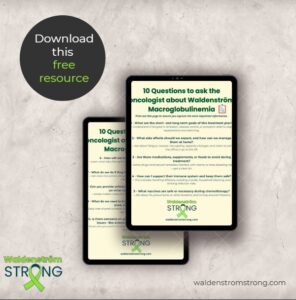
- Grab our free download: 10 Questions to Ask the Oncologist (or Hematologist) to guide conversations
The Takeaway: Living With Waldenstrom Macroglobulinemia Can Be a Life of Strength and Connection
Living with Waldenstrom macroglobulinemia doesn’t have to mean surrendering to fear or fatigue. With informed care, emotional support, and a nurturing lifestyle, patients and caregivers can create rhythms of resilience that honor both health and humanity.
Every act of care — from a home-cooked meal to a shared prayer — strengthens the circle of life that surrounds this rare condition. At WaldenstromStrong.com, we believe that knowledge, compassion, and community are the true medicines of survival.